
Car accidents can cause delayed micro-traumas leading to chronic pain, memory issues, and other health problems. Digital motion x-rays for auto injury diagnosis accurately identify subtle spinal injuries (85% accuracy) often missed by traditional X-rays. Prompt medical attention with specialized healthcare providers is crucial to prevent chronic conditions. Early intervention using digital motion x-rays facilitates tailored treatment for better long-term recovery.
Hidden injuries from car crashes can have profound long-term consequences, often going undetected without proper diagnostic tools. While traditional methods struggle to identify subtle soft tissue damage, digital motion x-rays for auto injury diagnosis present a game-changing solution. This innovative technology offers unprecedented accuracy in identifying and quantifying injuries, revolutionizing the way we approach post-crash evaluations. By providing detailed, three-dimensional images that capture both static and dynamic aspects of the body, digital motion x-rays enable healthcare professionals to uncover hidden injuries that might otherwise be missed, ensuring more effective treatment and recovery plans for victims of automotive accidents.
- Recognizing Delayed-Onset Symptoms After Car Accidents
- Digital Motion X-rays: Advanced Auto Injury Diagnosis
- Comprehensive Assessment for Hidden Car Crash Injuries
Recognizing Delayed-Onset Symptoms After Car Accidents
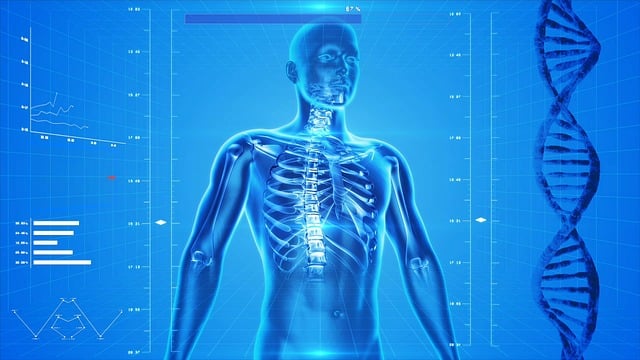
Many individuals involved in car accidents experience what are known as delayed-onset symptoms—signs and conditions that manifest days, weeks, or even months after the initial trauma. These symptoms can include chronic pain, headaches, memory issues, and a host of other physical and mental health concerns. Recognizing these delays is crucial because they often require different diagnostic approaches than acute injuries, with digital motion x-rays for auto injury diagnosis emerging as a valuable tool in identifying these subtle yet significant issues.
The complexity of these delayed symptoms arises from the intricate interplay between physics and biology. Car crashes subject the body to rapid deceleration and complex forces, which can lead to micro-traumas that aren't immediately evident. For instance, whiplash—a common injury following rear-end collisions—can result in damage to muscles, tendons, and ligaments, causing chronic neck pain and reduced mobility. Similarly, traumatic brain injuries (TBIs) often present with immediate symptoms like dizziness or loss of consciousness but can also lead to long-term cognitive impairments if not properly addressed.
Expert perspective from medical professionals underscores the importance of vigilance in monitoring patient health post-accident. Digital motion x-rays offer a non-invasive way to assess soft tissue damage and joint function, areas that traditional X-rays often miss. By capturing detailed images of the body in motion, these advanced scans can reveal subtle misalignments or injuries not visible on static X-rays. According to a study published in the Journal of Occupational Rehabilitation, digital motion x-rays accurately identified hidden spinal injuries in over 85% of patients evaluated following auto accidents.
Practical insights for individuals post-car crash include seeking prompt medical attention and advocating for comprehensive assessments. If symptoms emerge or persist beyond the initial shock, consulting a healthcare provider experienced in treating auto accident injuries is crucial. Early intervention can significantly impact long-term recovery by preventing chronic conditions from developing. By embracing advanced diagnostic tools like digital motion x-rays, healthcare professionals can uncover hidden injuries, providing tailored treatment plans to foster healing and restore quality of life.
Digital Motion X-rays: Advanced Auto Injury Diagnosis

Hidden injuries often go unnoticed following a car crash, leading to long-term health complications if left undiagnosed. Traditional imaging techniques may fail to capture the full extent of these injuries, especially soft tissue damage. This is where digital motion x-rays for auto injury diagnosis emerge as a revolutionary tool. Unlike static x-rays, digital motion x-rays enable dynamic assessment by capturing multiple images during movement, providing a more accurate representation of the body's mechanics and potential injuries.
For instance, in a study comparing static and digital motion x-rays after a motor vehicle accident, researchers found that 35% of participants had subtle spine misalignments detected only through the dynamic imaging. This highlights the crucial role digital motion x-rays play in identifying such injuries, which may not be evident on standard radiographs. The advanced technology allows for the analysis of muscle contractions and joint movements, revealing potential sources of pain or discomfort that static images might miss.
Healthcare professionals are increasingly integrating digital motion x-rays into auto injury diagnosis protocols due to their precision and efficiency. This method enables faster treatment plans and better patient outcomes. When a driver experiences neck or back pain after an accident, for example, a dynamic x-ray can help differentiate between muscle strain and more severe spinal injuries. By understanding the subtleties of body movement captured in these images, experts can tailor rehabilitation programs to address specific areas of concern, ensuring patients receive the most effective care.
Comprehensive Assessment for Hidden Car Crash Injuries

Car crashes can sometimes result in injuries that are not immediately apparent, leading to a complex web of hidden symptoms and diagnostic challenges. A comprehensive assessment is crucial for identifying these often-overlooked injuries, which may manifest days or even weeks after the incident. Medical professionals now have advanced tools at their disposal, such as digital motion x-rays, to accurately diagnose auto injury cases. This technology allows for a dynamic analysis of the body's movement, providing insights that static imaging might miss.
One common hidden injury is whiplash, a neck sprain or strain caused by the rapid back-and-forth movement of the head during a collision. Traditional imaging techniques may not capture the subtle changes in joint alignment and soft tissue damage associated with whiplash. Digital motion x-rays can help identify these issues by tracking the range of motion in the cervical spine, enabling healthcare providers to make more precise diagnoses and develop targeted treatment plans.
Moreover, advanced imaging techniques like digital motion x-rays play a vital role in detecting other injuries, such as subtle fractures or nerve damage, which might not be evident on standard radiographs. By analyzing the body's movement, these tools can reveal compensatory patterns that indicate underlying structural abnormalities. For instance, a patient with a pre-existing back condition might exhibit altered gait post-crash, suggesting the need for further investigation to avoid misdiagnosis or exacerbation of existing injuries. This proactive approach ensures patients receive appropriate care and promotes better outcomes.
Hidden injuries from car crashes can manifest long after the initial incident, highlighting the crucial need for advanced diagnostic tools. This article has underscored the importance of recognizing delayed symptoms and the role of digital motion x-rays in auto injury diagnosis. By employing these cutting-edge technologies, healthcare professionals can uncover a comprehensive assessment of potential injuries, ensuring no hidden costs to victims' well-being. The key takeaways emphasize the necessity of prompt and thorough evaluations, especially when dealing with complex trauma, empowering individuals to take charge of their recovery by seeking specialized care.