
Digital motion X-rays revolutionize auto injury diagnosis by capturing dynamic body movements, revealing hidden injuries like fractures and soft tissue damage. This advanced technology enhances diagnostic accuracy, enabling healthcare professionals to tailor treatment plans for faster recovery times in auto accident victims.
In the aftermath of a car accident, quick and accurate diagnosis is crucial for effective treatment. Fluoroscopic X-ray technology, particularly Digital Motion X-rays, offers advanced imaging capabilities that can reveal intricate details of auto injuries not visible on standard X-rays. This innovative approach enables healthcare professionals to efficiently assess fractures, dislocations, and soft tissue damage, ensuring prompt and precise care for accident victims. Understanding these advanced imaging techniques is key to enhancing patient outcomes in the digital age.
- Understanding Fluoroscopic X-rays for Auto Injuries
- Digital Motion X-rays: Unlocking Diagnosis Secrets
- Efficient and Accurate Car Accident Victim Care
Understanding Fluoroscopic X-rays for Auto Injuries
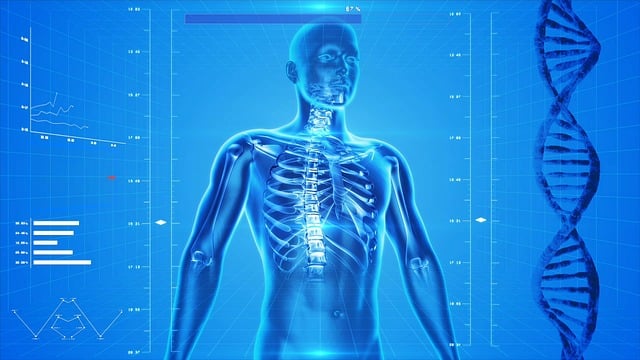
Digital Motion X-rays: Unlocking Diagnosis Secrets

Digital motion x-rays represent a significant advancement in auto injury diagnosis, offering unprecedented detail and dynamic insights into the human body's complex interplay. Unlike traditional static images, these cutting-edge scans capture the body in motion, revealing subtle shifts, misalignments, or injuries that might be missed by conventional methods. This innovative approach allows healthcare professionals to gain a deeper understanding of the impact forces experienced during a car accident, enabling them to make more accurate and swift diagnoses.
By analysing the intricate movements and positions of bones and joints, digital motion x-rays for auto injury diagnosis can identify hidden fractures, soft tissue damage, or even internal organ shifts. This technology's ability to visualise the body in its natural state of movement provides a comprehensive picture, ensuring that every aspect of an injury is considered. As a result, healthcare providers can tailor treatment plans more effectively, ultimately enhancing patient outcomes and recovery timelines for individuals affected by auto accidents.
Efficient and Accurate Car Accident Victim Care

In the immediate aftermath of a car accident, efficient and accurate victim care is paramount. Digital motion x-rays emerge as a powerful tool in this context, offering a dynamic and detailed view of auto injury diagnosis. Unlike traditional static X-rays, digital motion x-rays capture sequential images, allowing healthcare professionals to assess not just the severity but also the subtle nuances of an injured patient's condition. This technology enhances precision, enabling quicker decision-making and more effective treatment planning for car accident victims.
The integration of digital motion x-rays into emergency care protocols facilitates a multifaceted approach to patient management. By providing real-time data on internal injuries, these advanced imaging techniques help medics make informed choices regarding immediate interventions, such as immobilization or surgical requirements. This level of detail and speed in diagnosis can significantly impact patient outcomes, ensuring that car accident victims receive the most suitable care possible.
Fluoroscopic x-rays, particularly digital motion x-rays, have revolutionized car accident victim care by providing efficient and accurate diagnoses. These advanced imaging techniques allow healthcare professionals to uncover hidden injuries that may not be apparent on static x-rays. By unlocking these diagnostic secrets, medical teams can ensure prompt and effective treatment for auto injury victims, ultimately improving their recovery outcomes. In today's digital era, the integration of such technologies is a game-changer in managing trauma related to car accidents.